Bundle Patterns Clothes Series: A Practical Evaluation for Designers
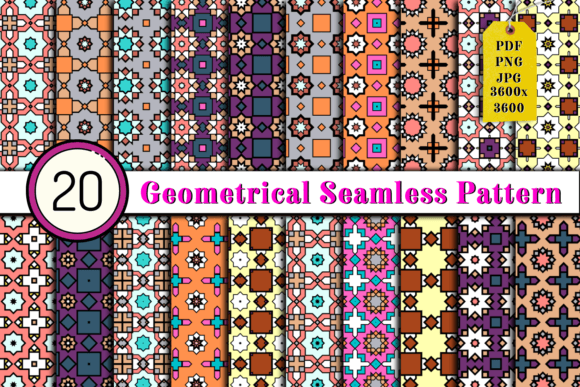
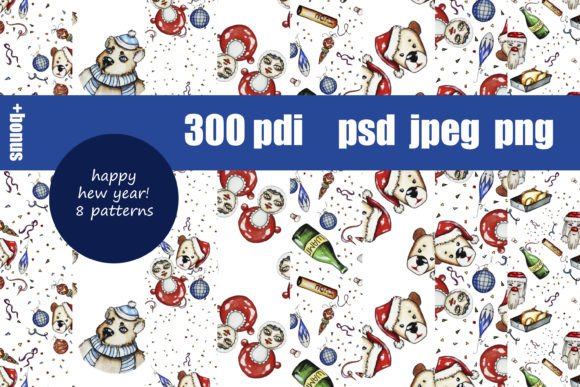
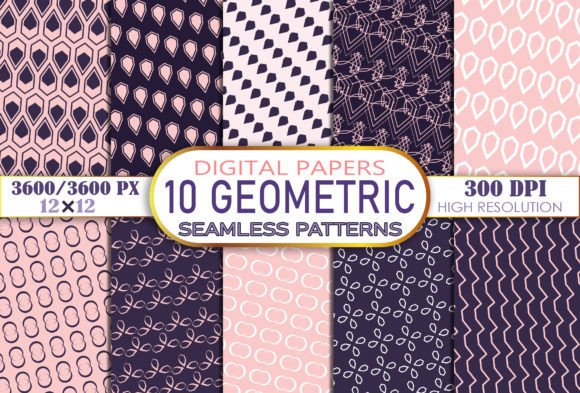
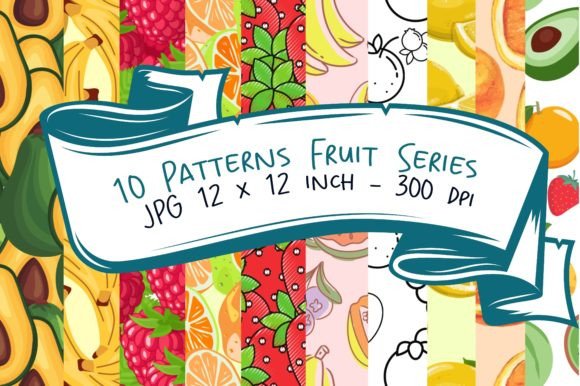
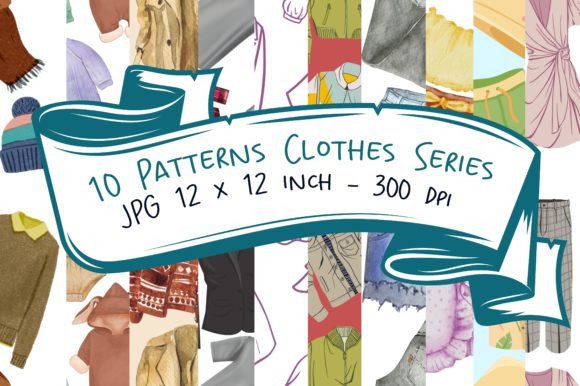
The Bundle Patterns Clothes Series is a curated digital collection of 10 original clothes-themed pattern designs, delivered as high-resolution JPG files. Each pattern measures 12 x 12 inches at 300 dpi, optimized for print and digital use. The set is distributed as a single ZIP file, with no additional software, fonts, or layered source files included.
This series is intended for designers, crafters, and small-business creators who need versatile, ready-to-use surface patterns—particularly those centered on apparel motifs such as stitching lines, hangers, fabric swatches, buttons, thread spools, and abstract garment silhouettes. It is not a sewing pattern bundle, nor does it include garment templates or construction guides.
Why Designers Consider the Bundle Patterns Clothes Series
Designers often seek cohesive, thematic pattern sets to maintain visual consistency across product lines or branding projects. The Bundle Patterns Clothes Series offers a focused aesthetic: all 10 designs share a common conceptual anchor—clothing and textile culture—while varying in composition, scale, and detail. This balance supports both variety and unity, which matters when designing coordinated items like invitation suites, packaging, or merchandising assets.
Its JPEG format ensures broad compatibility. Users can import files directly into design tools such as Adobe Photoshop, Illustrator (via linked or embedded images), Canva, Affinity Designer, or Cricut Design Space without conversion steps. No licensing restrictions are implied for commercial use, though users should verify the specific license terms provided by the seller at time of purchase.
Practical Benefits and Realistic Tradeoffs
Benefits:
- Time efficiency: Ready-made, print-ready patterns eliminate the need to create or source individual motifs from scratch.
- Consistent resolution: All 10 files are uniformly sized (12×12 inches) and resolution-matched (300 dpi), simplifying layout workflows for physical products like cards or magnets.
- Thematic focus: The clothing motif provides immediate relevance for fashion-related brands, boutique stationery, or textile-inspired crafts—reducing the need to curate disparate elements.
- Format simplicity: JPEGs require no special software to open or place, making them accessible to beginners and cross-platform users alike.
Tradeoffs and considerations:
- No vector or editable layers: Because the files are raster-based JPGs, resizing beyond native dimensions may result in pixelation. They cannot be recolored or modified non-destructively without manual retouching.
- Limited adaptability for complex layouts: Without transparency (i.e., no alpha channel), overlaying these patterns onto colored or textured backgrounds requires careful contrast planning or additional masking work.
- Niche theme: While useful for fashion-adjacent applications, the clothing focus may be too narrow for general-purpose design needs—such as nature-, tech-, or holiday-themed projects.
- No usage documentation: The ZIP contains only the image files. Guidance on recommended applications, color profiles, or bleed settings is not included and must be inferred or researched separately.
When the Bundle Patterns Clothes Series Fits Well
This collection is a strong fit for users whose goals align closely with its scope and constraints. For example:
- A small-batch stationer creating wedding invitations with a “bridal boutique” aesthetic may use one pattern for envelope liners and another for RSVP card backs—leveraging the consistent scale and theme.
- A print-on-demand creator designing t-shirts or phone cases can apply individual patterns as full-bleed graphics, confident in their resolution for standard garment and accessory sizes.
- A jewelry maker producing enamel pins or acrylic charms might isolate sections of the patterns using clipping masks to generate repeating motifs for etching or laser cutting.
- A digital scrapbook designer building themed paper kits for platforms like Etsy or Creative Market can integrate these patterns into layered .PSD or .PNG sheet templates without compatibility concerns.
In each case, the user benefits from the immediacy of the files and their alignment with a defined visual direction—without needing advanced technical skills to adapt them.
When Alternatives May Be More Suitable
Designers with different priorities may find other options more appropriate. For instance:
- Users requiring scalable, multi-color assets should consider SVG or vector-based pattern bundles. These allow infinite resizing and easy recoloring—especially valuable for web UI elements or responsive digital albums.
- Those building custom brand systems may prefer licensing a bespoke pattern suite, ensuring exclusivity and precise alignment with brand guidelines—something a pre-made bundle cannot guarantee.
- Designers working primarily in embroidery or sublimation may need patterns optimized for stitch density or heat-transfer performance, which typically involves specialized file formats (e.g., .PES, .SVG with cut lines) not included here.
- Projects demanding high contrast or accessibility compliance may require patterns tested against WCAG contrast ratios—information not provided with this bundle and thus requiring independent evaluation.
Making an Informed Decision
To determine whether the Bundle Patterns Clothes Series meets your needs, ask three practical questions:
- Is the clothing motif directly relevant to my current or upcoming project? If your work centers on fashion, textiles, tailoring, or related themes, the series’ cohesion adds value. If not, generic or broader-themed pattern sets may offer greater flexibility.
- Do I need resolution-specific, print-ready files—or am I better served by editable, scalable assets? Review your output requirements: if most deliverables are physical (e.g., business cards, magnets, nail wraps), the 300 dpi JPGs are sufficient. If you frequently resize for web banners, app icons, or variable-data printing, vector alternatives warrant comparison.
- What level of post-processing am I prepared to do? Since these are flat JPGs, tasks like background removal, color adjustment, or seamless tiling require manual effort. Assess whether that fits within your workflow capacity—or whether a service offering pre-processed variants would save time overall.
Finally, compare file counts, resolution specs, and permitted use cases across similar bundles before purchasing. Some sellers include bonus resources—like matching color palettes, mockup templates, or usage guides—that may tip the balance depending on your experience level and project scope.
The Bundle Patterns Clothes Series serves a clear purpose: delivering a reliable, thematically unified set of high-resolution surface patterns for immediate application. Its utility depends less on novelty and more on alignment with your specific design context—making thoughtful evaluation, rather than broad assumptions, the most effective way to assess its fit.